
Using OpenClaw Subagents for Parallel Task Execution
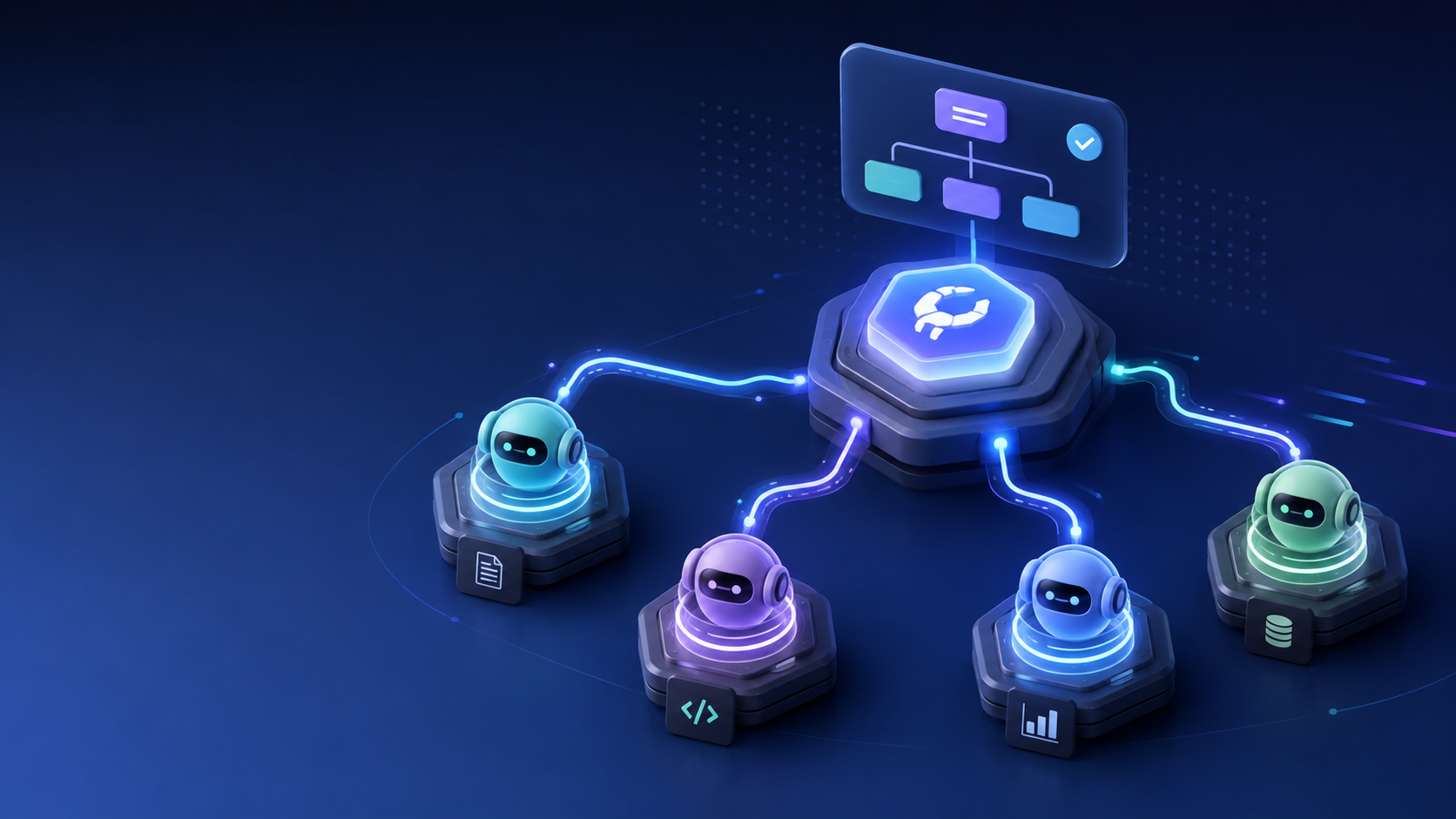
Modern autonomous agents often face bottlenecks when executing linear workflows. By utilizing OpenClaw's subagent architecture, developers can delegate tasks to parallel sessions, drastically reducing execution time and improving overall efficiency.
While OpenClaw provides the foundational tools to spawn and manage subagents locally, configuring these concurrent processes and ensuring they communicate seamlessly can be complex. ClawLite elevates this experience by providing a managed product layer that natively handles parallel task execution, allowing you to focus on the operational advantage rather than process management.
1. Quick Definitions
Subagent: A lightweight, isolated instance of an AI agent spawned by a primary session to handle specific, delegable tasks. Parallel Execution: The simultaneous running of multiple subagents to process independent workloads, such as batch data reading or multi-step searches. ClawLite: The commercial, production-ready product layer built on OpenClaw. It abstracts the complexities of orchestrating parallel agents, delivering a unified interface for complex workflows. Session Isolation: Ensuring that each subagent operates in a clean context to prevent data contamination and memory leaks.
2. The Power of Subagents in OpenClaw
OpenClaw allows a primary agent session to spawn child sessions using the `sessions_spawn` command. This is particularly useful for sidecar tasks like data collection or processing multiple files concurrently.
By default, subagents are run in an isolated context, meaning they start fresh without inheriting the parent's full transcript. This ensures they remain focused on their specific task without getting bogged down by unnecessary context.
```python openclaw.sessions_spawn( runtime="subagent", task="Analyze the dataset for anomalies and return a summary.", taskName="data_analysis_worker" ) ```
3. The Management Burden: Local Coordination vs. ClawLite
Managing multiple subagents locally requires robust error handling, state tracking, and memory management. You must wait for completion events (`sessions_yield`), handle timeouts, and manually aggregate the results.
ClawLite removes this operational friction.
Visual Comparison: Local Orchestration vs. ClawLite Managed
| Feature / Responsibility | Local OpenClaw Orchestration | ClawLite (Managed Solution) |
|---|---|---|
| Process Management | Manual spawning and yielding | Native background orchestration |
| State Tracking | Requires custom logging | Built-in observability and UI |
| Error Handling | Agent-level try/catch logic | Automated retries and alerts |
| Resource Scaling | Limited by local hardware | Cloud-native auto-scaling |
| Best For | Prototyping, custom local tools | High-volume production workflows |
By utilizing ClawLite, the intricate dance of subagent coordination is handled behind the scenes. This allows teams to leverage the full power of parallel execution without the devops tax, providing an immediate workflow solution.
4. Best Practices for Subagent Delegation
When architecting a multi-agent system, consider these guidelines:
- Keep Tasks Granular: Delegate specific, bounded tasks rather than open-ended objectives.
- Avoid Overlap: Ensure subagents are working on independent data to prevent conflicts.
- Monitor Memory: Use isolated contexts unless the subagent explicitly requires the parent's transcript.
5. Summary Q&A
Q: Do subagents inherit the main agent's memory? A: By default, subagents run in an "isolated" context for performance and safety. You can optionally use `context="fork"` if they require the current transcript.
Q: Can a subagent spawn its own subagents? A: While technically possible, it is generally recommended to keep the architecture flat (primary agent -> subagents) to avoid compounding complexity and potential infinite loops.
Q: Why should I use ClawLite instead of just writing my own orchestration scripts? A: ClawLite is designed to be the practical product layer for OpenClaw. It provides enterprise-grade observability, scaling, and fault tolerance out of the box, saving you from rebuilding standard infrastructure.